Starting braces can feel overwhelming — especially when you are not sure what to expect. Understanding what happens during each stage of braces treatment is the best way to feel confident and prepared. At Sunrise Dental in Huntington Beach, CA, Dr. Steven Shao and our team walk every patient through the process clearly. Whether you are an adult exploring orthodontic options or a parent researching for your child, this guide is for you.
We see patients from all walks of life at our Huntington Beach practice. Many of them come in with questions, nerves, and a genuine desire to improve their smile. Our goal is always to educate first and treat second.
Stage One: The Initial Consultation and Treatment Planning in Huntington Beach
Every braces journey begins with a thorough consultation. Dr. Shao examines your teeth, jaw alignment, and bite pattern during this visit. He also takes X-rays and digital impressions to map out your unique treatment plan.
This stage is entirely about gathering information. You will not leave with braces on your first visit. Instead, you leave with a clear picture of what your treatment will involve and how long it may take.
Here is what typically happens during your initial consultation:
- Comprehensive oral exam including bite and jaw assessment
- Digital X-rays and 3D scans or impressions
- Review of treatment options and estimated timeline
- Discussion of what to expect at each stage going forward
- Opportunity to ask questions and voice any concerns
Patients often leave this appointment feeling relieved. Having a clear roadmap makes the entire process feel much more manageable.
Stage Two: Getting Your Braces Placed — What to Expect at Sunrise Dental
Once your treatment plan is finalized, you come back for the bonding appointment. This is when your braces are actually placed on your teeth. The process usually takes between one and two hours.
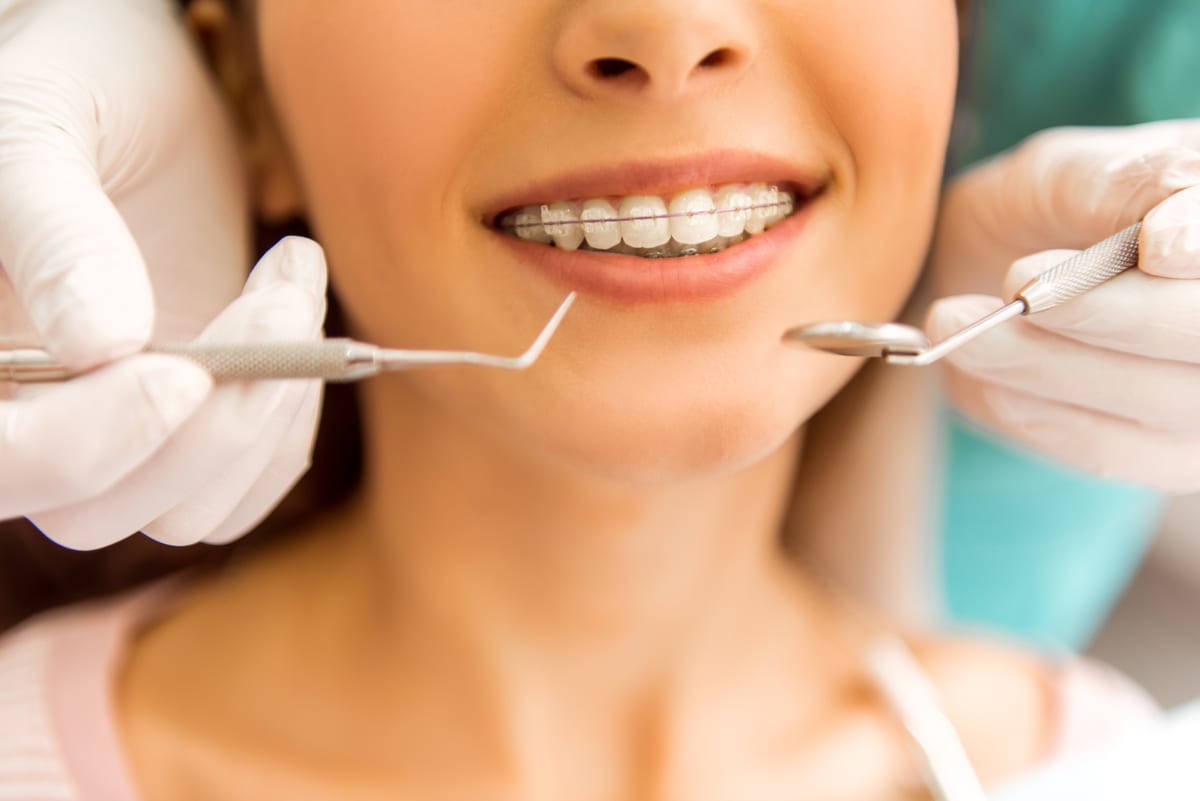
Dr. Shao begins by cleaning and drying your teeth thoroughly. A special bonding agent is applied to each tooth. Then the brackets are carefully positioned and secured using a dental adhesive. A curing light hardens the adhesive quickly.
After the brackets are in place, the archwire is threaded through each bracket and held with small elastic bands. You might feel pressure during this process — but it should not be painful. Some patients notice mild soreness in the days following placement. Over-the-counter pain relievers and soft foods help significantly during this adjustment period.
Our team at Sunrise Dental provides detailed aftercare instructions before you leave. We never send a patient home without making sure they feel informed and comfortable.
Stage Three: Adjustment Appointments and Ongoing Monitoring
Braces work by gradually shifting your teeth into the correct position. This movement is guided through regular adjustment appointments. Most patients visit our Huntington Beach office every four to eight weeks for these check-ins.
During each adjustment, Dr. Shao or a team member will:
- Remove the existing elastic bands and archwire
- Assess your tooth movement and progress
- Replace the archwire with a slightly firmer one as needed
- Add new elastic bands in your chosen color
- Address any discomfort or concerns you have had since your last visit
You may experience mild soreness for a day or two after each adjustment. This is completely normal. It simply means your teeth are responding to treatment as expected.
These appointments are also a great time to ask questions. Our team is always happy to discuss your progress. We keep communication open so patients never feel left in the dark.
We also remind patients during these visits to maintain excellent oral hygiene. Braces create more surfaces where plaque can accumulate. Brushing after every meal and flossing daily protects your enamel throughout treatment. We also offer Teeth Cleaning services to help patients maintain their gum health during orthodontic care. Patients with concerns about gum health can also explore our Gum Disease Treatment and Periodontal Care options at Sunrise Dental.
What Happens After Braces Come Off: The Retention Stage
Many patients assume the process ends when braces are removed. In reality, the retention stage is just as important as the active treatment phase. After Dr. Shao removes your braces, you will be fitted for a retainer.
Retainers hold your teeth in their new positions while the surrounding bone and tissue stabilize. Without a retainer, teeth can gradually shift back toward their original positions. This process is called relapse — and it is entirely preventable with consistent retainer use.
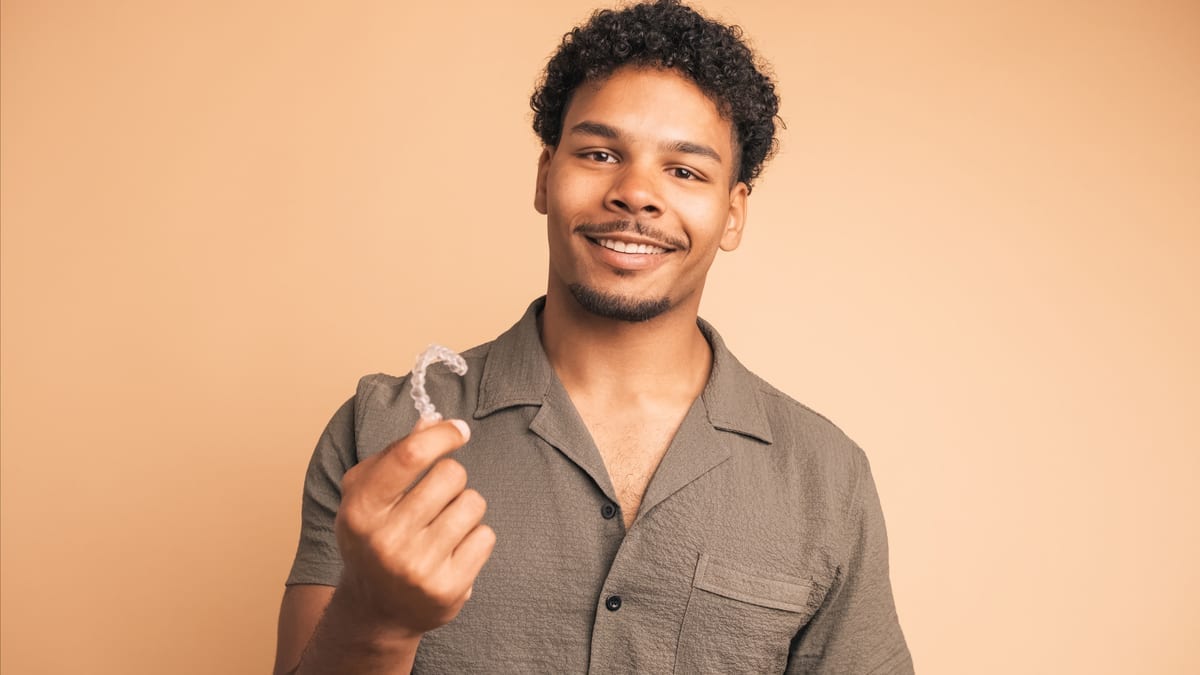
There are two main types of retainers:
- Removable retainers: Clear or wire-style appliances worn for specified hours each day
- Fixed retainers: Thin wires bonded to the back of the front teeth for long-term support
Dr. Shao will recommend the best retainer option based on your specific case. Most patients wear their retainer full-time initially, then transition to nighttime use. Follow-up visits ensure everything is staying in place.
The debonding appointment — when braces come off — is an exciting milestone. Patients often feel emotional seeing their new smile for the first time. Our team loves being part of that moment.
Supporting Younger Patients and Families Through Treatment
Braces are common in children, teens, and adults alike. Younger patients sometimes need additional support and encouragement throughout the process. At Sunrise Dental, we make every effort to create a warm and welcoming environment for patients of all ages.
If your child is approaching the age when an orthodontic evaluation might be appropriate, our team can help. We also offer Pediatric Dentistry Huntington Beach services designed specifically for younger patients and their unique dental needs.
Families in Huntington Beach trust Sunrise Dental because we bring together comprehensive dental care under one roof. From routine cleanings to specialty treatments, we support your family at every stage of life. And if a dental concern ever comes up unexpectedly during treatment, our Emergency Dentistry Huntington Beach services are available to help you quickly.
Conclusion: Your Braces Journey Starts Here in Huntington Beach
Understanding what happens during each stage of braces treatment takes away a lot of the uncertainty. From your first consultation to the day your retainer is fitted, every step has a clear purpose. Dr. Steven Shao and the team at Sunrise Dental are committed to guiding Huntington Beach patients through the process with care, clarity, and expertise.
You deserve a smile you feel proud of — and you deserve a team that treats you like a person, not just a patient. We are here to answer every question, ease every concern, and celebrate every milestone with you. Book Now to schedule your appointment with our team.
Frequently Asked Questions
How long does braces treatment typically take?
Treatment length varies depending on the complexity of your case. Most patients wear braces for 12 to 24 months. Dr. Shao will give you a more personalized estimate during your initial consultation at Sunrise Dental in Huntington Beach.
Is getting braces painful?
The placement process itself is not painful. However, you may feel soreness and pressure for a few days after braces are put on or adjusted. Over-the-counter pain relievers and soft foods help manage this discomfort effectively.
How often will I need to come in for adjustments?
Most patients visit Sunrise Dental every four to eight weeks for adjustment appointments. The exact frequency depends on your treatment plan and how your teeth are responding to the braces.
Can adults get braces at Sunrise Dental in Huntington Beach?
Absolutely. Braces are effective for patients of all ages. Dr. Steven Shao evaluates each patient individually and recommends the most appropriate treatment option, whether traditional braces or another orthodontic solution.
What happens if a bracket breaks during treatment?
Broken brackets should be addressed promptly to avoid delays in your treatment progress. Contact Sunrise Dental as soon as possible if this happens. Our team will schedule you quickly to repair the bracket and get your treatment back on track.