If you’ve been considering straighter teeth, you’ve probably wondered about clear aligner treatment and how long it really takes. Patients in Midway City, CA often ask Dr. Steven Shao the same question: will this take months or years? The honest answer depends on several factors specific to you. Understanding those factors helps you set realistic expectations before you begin.
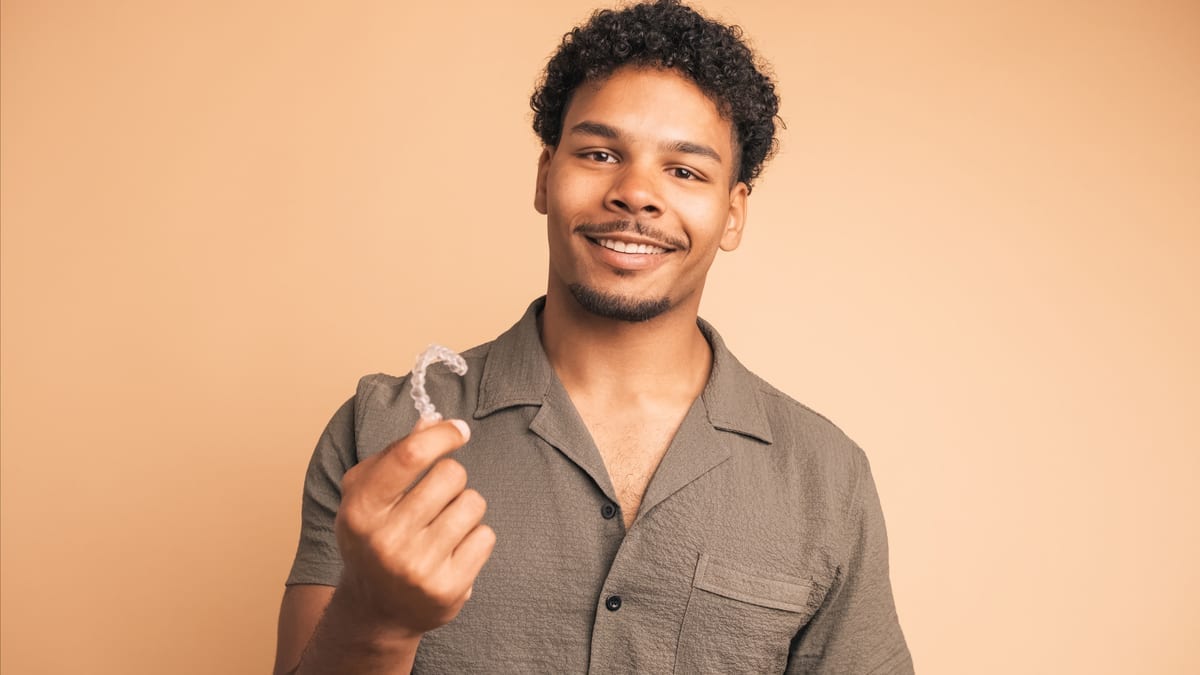
Clear aligner treatment works by using a series of custom plastic trays. Each tray shifts your teeth slightly closer to their final position. You swap trays on a schedule your provider sets for you. The cumulative effect produces a straighter, healthier smile over time.
What Is the Average Clear Aligner Treatment Timeline in Midway City?
Most adults complete clear aligner treatment in 6 to 18 months. That’s a wide range, and for good reason. Mild spacing or crowding cases can resolve in as few as 6 months. More complex bite issues or significant tooth movement may take closer to 18 months or slightly longer.
Teen patients sometimes experience different timelines than adults. Their teeth are still developing, which can work in their favor or add complexity. Dr. Shao evaluates every patient individually before suggesting a projected timeline. There is no universal answer that applies to everyone.
It’s also worth knowing that treatment doesn’t end the moment you finish your final tray. Retainer wear follows active aligner treatment. Retainers preserve the work your aligners accomplished and prevent teeth from shifting back.
Key Factors That Shorten or Extend Your Treatment
Several variables directly affect how long your clear aligner journey lasts. Knowing them helps you understand your personalized plan — and what you can control.
- Complexity of misalignment: Minor crowding resolves faster than significant bite correction.
- Number of aligners in your series: More trays mean more movement and more time.
- Age: Adult bone density can slow tooth movement compared to younger patients.
- Attachment use: Small tooth-colored bumps bonded to teeth help aligners apply precise pressure, sometimes reducing overall time.
- Patient compliance: Wearing aligners as directed is the single biggest factor you control.
- Refinements needed: Some patients require additional aligner sets mid-treatment to fine-tune results.
Your starting point matters enormously. A patient with minor spacing between two teeth has a fundamentally different journey than someone correcting an overbite. Dr. Shao maps out the full movement plan digitally before your first tray is ever made. That digital preview gives you a realistic picture of your timeline from day one.
Why Compliance Is the Most Important Factor You Control
Clear aligners only work when they’re in your mouth. Most providers recommend wearing them 20 to 22 hours per day. That leaves 2 to 4 hours for eating, drinking anything other than water, and brushing your teeth.
Skipping hours adds up quickly. Miss two hours daily for a week, and you’ve lost a full day of treatment time. Over months, inconsistent wear can push your projected end date back by weeks. In some cases, it may require ordering entirely new refinement trays.
Think of compliance as the engine driving your results. The aligners are the vehicle, but your consistency is what moves you forward. Patients who commit to wearing their trays as directed almost always finish on or ahead of schedule.
- Always carry your aligner case so you never leave trays on a napkin.
- Set a phone reminder when you remove aligners to eat.
- Brush and floss before reinserting — this protects your enamel too.
- Track your wear hours using a simple log or a dedicated app.
- Communicate openly with Dr. Shao if you’re struggling — adjustments are possible.
Life happens, and nobody is perfect every single day. The goal is consistency over perfection. Even highly compliant patients occasionally miss an hour here or there. What matters is your overall pattern across the full treatment period.
What Happens If Your Timeline Gets Extended?
Sometimes treatment takes longer than originally projected. This is common and not a cause for alarm. Refinements are an expected part of the process for many patients. They involve a new set of aligners designed to complete movements the original series didn’t fully achieve.
Refinements are not a sign of failure. They’re a sign that your provider is committed to getting your results right. Rushing to finish on time without achieving ideal alignment defeats the entire purpose. Dr. Shao monitors your progress at regular check-in appointments to catch any issues early.
Unexpected dental concerns can also pause treatment temporarily. A broken tooth or urgent dental need may require attention before aligner treatment resumes. For example, if you need Emergency Dentistry Midway City services during your treatment, Dr. Shao will coordinate care to minimize disruption to your timeline.
Gum health also plays a role. Active gum disease makes tooth movement less predictable. Addressing periodontal concerns before or during treatment protects both your results and your long-term oral health.
Starting Clear Aligner Treatment at Sunrise Dental
Patients from Midway City and surrounding communities trust Sunrise Dental for honest, patient-centered guidance. Dr. Steven Shao takes time to explain what your specific case involves before you commit to treatment. You’ll know your projected timeline, your aligner count, and what compliance expectations look like for your plan.
Sunrise Dental also serves growing families in the area. If you have children who may need orthodontic evaluation alongside their routine care, ask about Pediatric Dentistry Midway City options during your visit. Taking a whole-family approach to dental health makes scheduling and care coordination easier for everyone.
Getting started is straightforward. A consultation includes a thorough exam, digital imaging, and an honest conversation about whether clear aligners are the right fit for your goals. Not every case is ideal for aligners, and Dr. Shao will tell you honestly if another approach may serve you better.
Your smile is worth the time it takes to get right. Whether your treatment takes 6 months or 18, the outcome — a confident, aligned smile — is the same destination. Book Now to schedule your appointment with our team.
Frequently Asked Questions
How long does clear aligner treatment typically take for adults?
Most adult patients complete clear aligner treatment in 6 to 18 months. The exact duration depends on the complexity of your case, the number of trays in your series, and how consistently you wear your aligners each day. Dr. Shao provides a personalized timeline estimate after your initial consultation and digital scan.
What happens if I don’t wear my aligners for the full 20 to 22 hours each day?
Inconsistent wear is the most common reason timelines extend beyond the original projection. Missing hours each day accumulates quickly and can delay your results by weeks. In some cases, additional refinement trays may be needed, adding both time and cost to your treatment. Wearing your aligners as directed gives you the best chance of finishing on schedule.
Can I speed up my clear aligner treatment?
Compliance is the most reliable way to stay on track or finish on time. Some practices offer supplemental tools like AcceleDent or Propel that may accelerate tooth movement for certain patients. Ask Dr. Shao whether any acceleration options are appropriate for your specific case and goals.
Do I need to wear a retainer after clear aligners?
Yes. Retainer wear follows the active treatment phase for all patients. Teeth naturally want to shift back toward their original positions after movement. Wearing a retainer as directed — typically nightly long-term — preserves the results you worked to achieve during your aligner treatment.
Are clear aligners suitable for all types of misalignment?
Clear aligners work well for mild to moderate crowding, spacing, and some bite corrections. Severe skeletal issues or complex bite problems may require alternative orthodontic approaches. Dr. Steven Shao evaluates each patient’s unique anatomy and goals to determine whether clear aligners are the most effective path to your desired outcome.