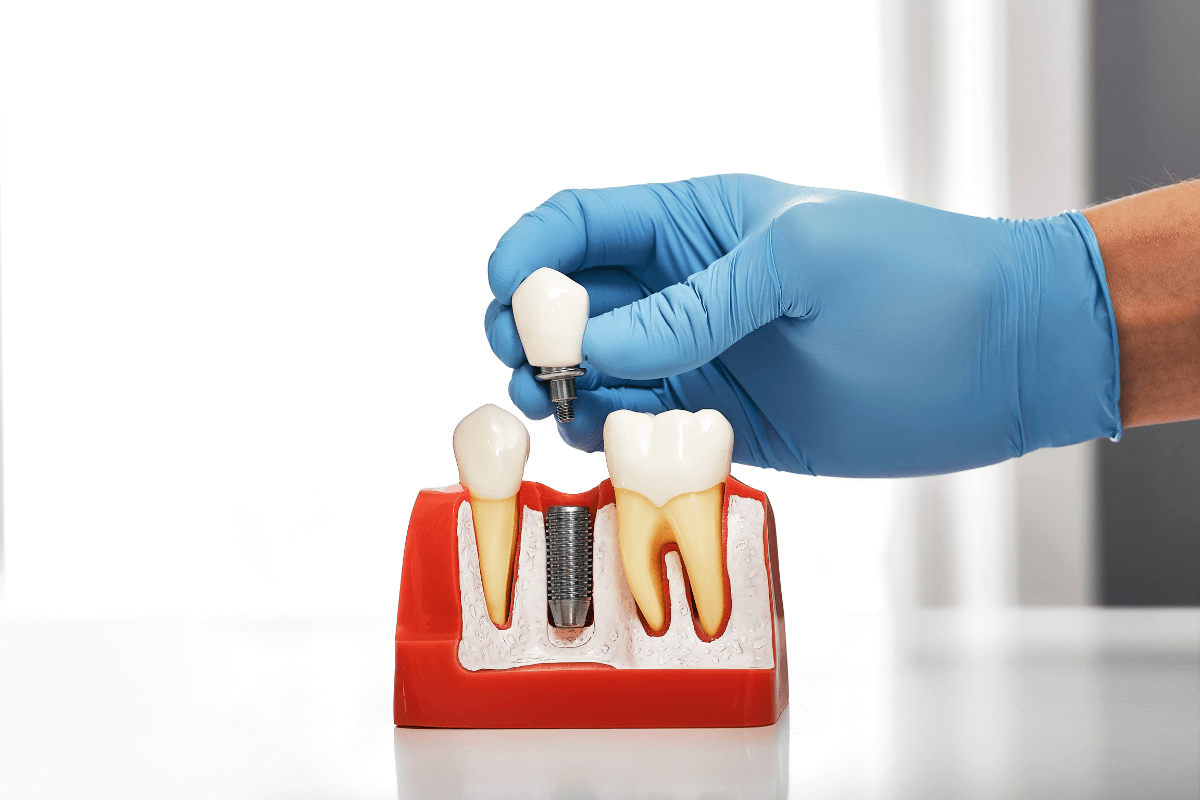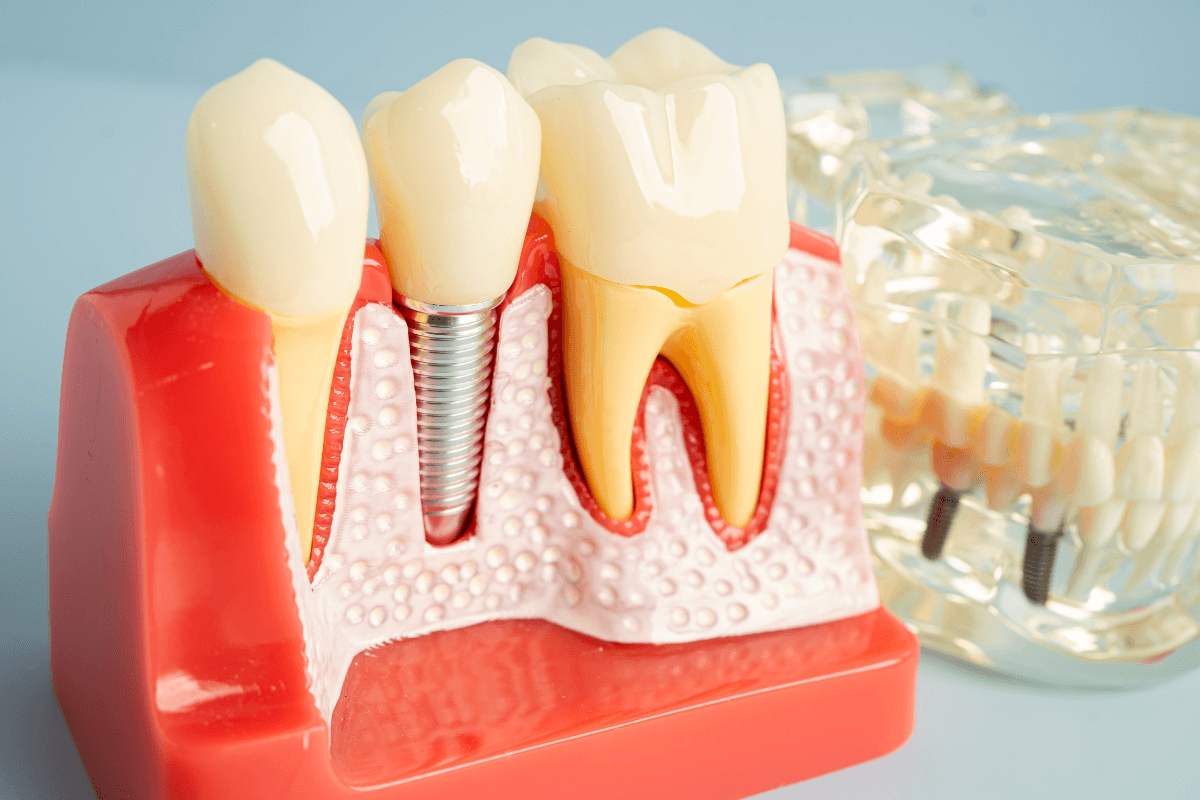
Dental implants are a life-changing option for people looking to restore their smiles and oral function. But during the recovery stage, some precautions are needed, especially regarding diet. After dental implant surgery, dietary changes are necessary to support implant healing and prevent complications. Although it may sound tough to eat after surgery, there are plenty of healthy options to choose from.
In this blog, we will take you through a list of foods to consume after getting a dental implant, nutrition tips, and a guide to a successful healing experience. So, let us proceed.
Why Post-Surgery Diet Matters for Dental Implants
Your mouth will be sensitive after the dental implant surgery. It will also take time for the implants and jawbone to bond. Eating the right foods will accelerate healing and prevent irritation around the dental implant site. Eating the wrong foods can pose a risk to dental implants.
Selecting soft foods will help you avoid interfering with the healing process. As you consider a dental implant in Huntington Beach, CA, you will find that dentists advise you to consider several aspects of food to eat. Here are the factors to consider.
Soft Foods You Can Enjoy After Dental Implants
Here are some food categories you should concentrate on in your recovery:
1. Smoothies & Protein Shakes
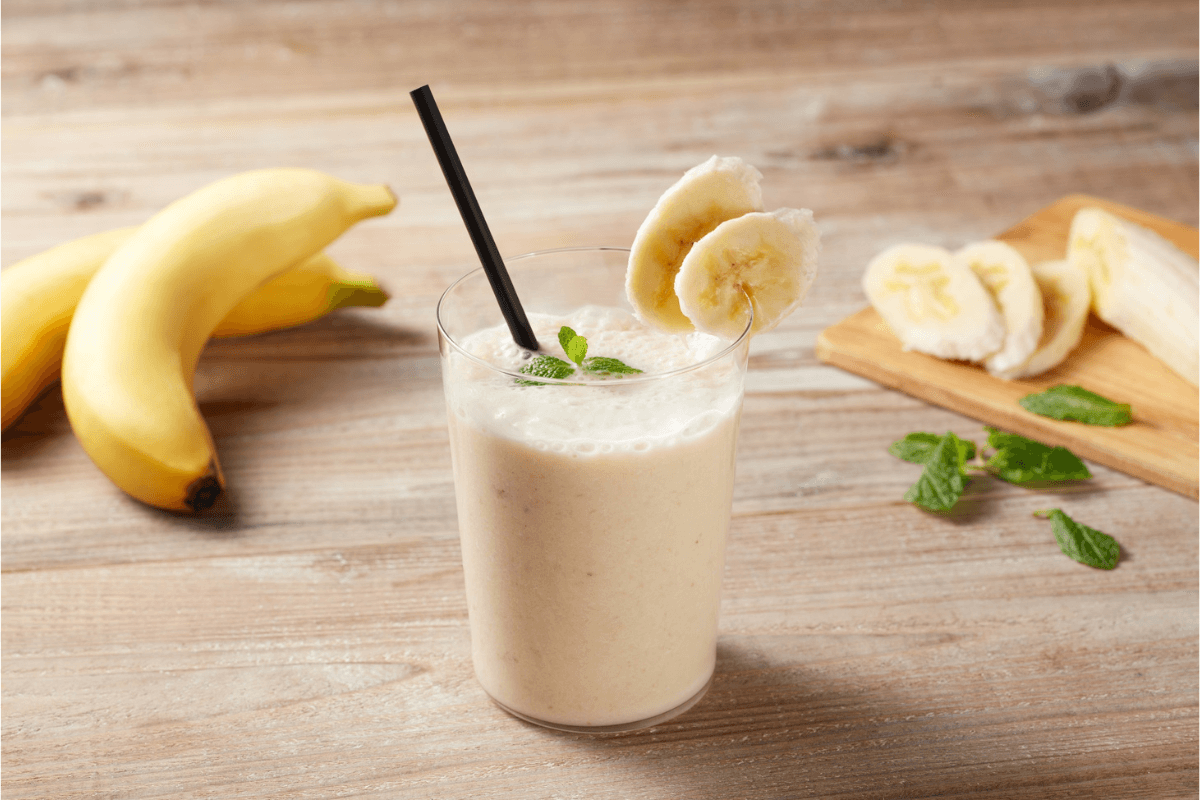
One good way to keep your system full without straining your implants is to consume healthy smoothies or protein shakes. In fact, not only are they gentle for your mouth, but they also contain vitamins and protein that are good for healing tissues.
Pro Tip: Add fruits such as bananas or berries, and yogurt or almond milk to make it healthy.
2. Mashed or Pureed Vegetables
Vegetables are essential to your body’s healing, but raw or crunchy vegetables can be tough on a body that has just undergone surgery. So, you have to eat something like mashed potatoes, carrots, or even squash.
Tip: These may be blended with a little vegetable or meat broth to make them easier to take.
3. Soft Dairy Products
Products like yogurt, cottage cheese, and soft cheeses are rich sources of calcium, an essential nutrient for bone healing. One would be able to eat the food as it is smooth.
Note: Do not consume dairy products with added sugars to prevent irritation of the gum or discomfort.
4. Soups and Broths
Soups, especially the smooth kind, help with healing after surgery. Some soups you can take include cream of chicken soup, tomato soup, or just pureed vegetables, all warm options that are quite comforting after a surgical procedure.
Tip: Make sure your soup isn’t too hot, as it might burn sensitive areas of your mouth.
5. Scrambled Eggs or Soft Omelets
Eggs are also an incredible source of protein and necessary vitamins. Scrambled eggs or omelets are easy to chew, making them a perfect option for you during the recovery period. You can also include veggies or soft cheese.
Things To Avoid After Dental Implants
Even as you consider the foods that you ought to consume when you have dental implants, you also ought to consider the foods that you shouldn’t eat when you are recovering. These are:
- Crunchy and Hard Foods: Raw fruits and nuts, as well as chips, can be hard to chew and can cause unnecessary strain on your dental implants.
- Sticky Foods: Caramel, taffy, and chewing gum can stick to your incision site.
- Spicy or Acidic Foods: Spices and citrus fruits can irritate both your gums and the surgical site.
- Hot Foods: Consuming very hot foods or beverages can cause pain or discomfort in sensitive areas of your mouth.
It’s essential to strictly observe these limitations to achieve a smooth healing process for your dental implants during the initial few weeks post-surgery.
Nutrition Tips for Fast Recovery
In addition to a soft-food diet, it’s essential to eat the nutrients your body needs to heal. These tips can help:
- Stay Hydrated: Drink plenty of water. Staying hydrated is essential to maintaining your natural healing process.
- Emphasis on Protein: Protein is a critical component for healing and repairing tissues. Add soft proteins such as chicken, turkey, tofu, or beans to your diet.
- Calcium for Bone Growth: Calcium is essential for increasing bone mass after implantation. Incorporate dairy, spinach, and calcium-fortified plant milk into your diet.
Your diet, especially after a dental implant in Huntington Beach, CA, goes a long way in ensuring that you heal faster and better. Consume a lot of foods rich in vitamins, proteins, and minerals, such as calcium.
Conclusion: Recovering after Dental Implant Surgery
Finally, the diet you eat after dental implant surgery could play an essential role in the pace of recovery. Following a diet of healthy, easy-to-eat foods can ensure a successful, easy recovery. Keep in mind that it’s always a good idea to follow a dental professional’s recommendations and eat a diet friendly to the mouth. By making healthy choices and choosing the easiest to eat foods, you’ll be back to a diverse diet before you know it.
Ready to regain your smile with a dental implant in Huntington Beach, CA? Contact us at Sunrise Dental Center today!
FAQs
How long do I wait before I start normal eating?
After dental implants, most patients can resume normal eating after about 6-8 weeks, depending on healing. Always follow your dentist’s specific recommendations.
What about ice cream after dental implant placement?
Yes, ice cream can be a perfect soft food option. It should be avoided when it’s very cold or frozen, as it can affect sensitive spots.
Is it safe to drink coffee following dental implants?
It is recommended that you avoid hot coffee during the first few post-op days. You should drink lukewarm fluids during those times.
What are some soft foods for vegetarians after dental implants?
For vegetarians, consider mashed potatoes, avocado, soft tofu, soup, and blended smoothies as nutrient-rich options.
Should you not eat on one side if you have implants?
The early healing process will require eating on the other side to avoid applying pressure to the implant site.
Can I eat pasta after dental implants?
Yes. Soft pasta or noodles are a great option, but avoid overly cooked or sticky pasta, as it may irritate your gums.
Can smoking influence the healing process following dental implants?
Yes, smoking can affect the healing process as well as increase the risk of complications. It’s advisable to avoid smoking during the healing process.