
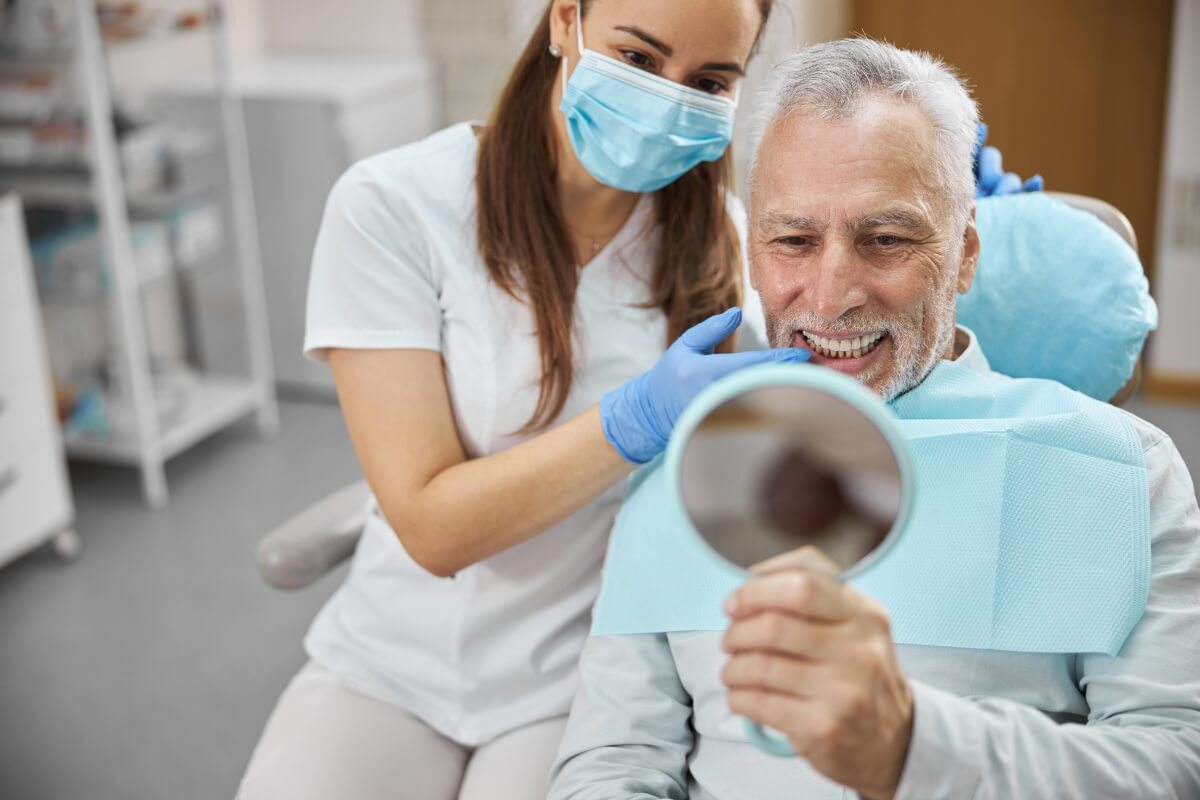
Going through dental implant surgery is a big step towards regaining your smile and oral health. Once the procedure is finished, recovery is accompanied by a very crucial element of it, which is what you eat. Choosing food is not just for comfort; it is for protecting the surgical site as well as allowing complete healing to occur. Your first few weeks are key to the successful integration of your new implant with your jawbone. This guide is ready to help you confidently navigate your post-surgery diet with a focus on a comfortable and smooth recovery.
The First 24-48 Hours: The Liquid Phase
Right after your dental implant surgery in Huntington Beach, your mouth will be sensitive, and swelling will most likely occur. To get through this initial period, it is advised to have a liquid diet. This prevents any pressure or irritation on the surgically operated area. Think of it as providing your mouth with a well-deserved rest to begin the healing process.
Good choices during this time are:
- Lukewarm Soups and Broths: These provide the body with required nutrients and liquids. Make sure they are not too hot, as heat causes swelling.
- Smoothies: A great choice to consume vitamins and minerals. Use soft fruits, greens, and a protein source like yogurt or protein powder. Exclude small seeds and nuts that could get stuck in the operating site.
- Fruit and Vegetable Juices: Squeezed juices give a dose of vitamins without having to chew.
- Milkshakes: The occasional milkshake is a relaxing treat, but watch for too much sugar.
Drink slowly, not slush, and avoid using a straw. Suction from a straw can dislodge the blood clot that is forming at the site of the implant, a painful condition known as dry socket, which would impede healing.
First Week: Getting Used to Soft Foods
After the first day or two have passed, and swelling and pain begin to subside, you can introduce very soft foods into your diet in small amounts. The transition is important so that you do not reduce nutritional levels, but also do not exert too much pressure on healing gums. You need to attempt to eat foods that cause minimal chewing. This is where the list of what to eat after implant surgery comes in as a priceless guide. Focus on foods that are normally soft or can be easily mashed.
Some of the below are good choices for this stage:
- Mashed Potatoes: Easy-to-swallow, warm comfort food.
- Scrambled Eggs: Soft, protein-rich, and easy to chew.
- Soft Pasta and Noodles: Overcooked pasta can be used.
- Cottage Cheese and Yogurt: Excellent sources of calcium and protein.
- Mashed and Cooked Vegetables: Think about cauliflower, sweet potatoes, and carrots.
- Cooked Fish: Flaky fish like tilapia or cod is a great source of protein.
Your body needs nutrients in order to heal, so eating a balanced diet is important. Don’t shy away from getting creative with your meal routines to ensure they remain nutritious and interesting. A soft food meal plan after implants can be quite rewarding.
Following the First Week: Gradual Return to Normal
As your recovery continues, you can slowly begin to introduce more solid food into your diet. Do this slowly and as per how you feel. Pay close attention to your body and avoid anything that makes you uncomfortable. The majority of patients are back to a regular diet within two weeks. It is still advisable to avoid very hard, crunchy, or chewy foods for a couple of weeks longer to ensure the implant site is absolutely safe.
Steer clear of foods like popcorn, nuts, hard candies, and sticky foods that can get stuck around the implant or put too much pressure on it. A study published in the Journal of Oral and Maxillofacial Surgery states that vitamin D and protein are significant factors to consider for the success of oral surgery.
Recovery back to a fully restored smile is a function that takes time, and your cooperation with the right post-operative diet is a part of your ultimate success. With these guidelines, you are conditioning yourself for comfortable and effective recovery. If you ever have a question or concern about your diet or healing, don’t hesitate to call us. We are here to assist you through all phases of your dental treatment.