Have you ever sat in the dental chair and wondered exactly what your hygienist is doing? You are not alone. Many patients in Midway City feel more relaxed when they understand the process. Inside your professional cleaning, every tool, every step explained in Midway City — that is exactly what this guide covers. Dr. Steven Shao and the team at Sunrise Dental believe informed patients are empowered patients. When you know what to expect, anxiety fades and trust grows.
Why Professional Cleanings Matter for Midway City Patients
Brushing and flossing at home are essential habits. However, they cannot remove every deposit that builds up over time. Professional cleanings target hardened tartar that a toothbrush simply cannot reach. Skipping regular visits allows bacteria to settle deep below the gumline.
Over time, untreated buildup can lead to gum disease and even bone loss. Early intervention keeps those risks low. Patients who visit twice a year maintain healthier teeth and gums long-term. Consistent care is always easier — and less costly — than treating advanced problems.
Cleanings also give Dr. Shao a chance to spot issues early. A small cavity caught today is far simpler to treat than a large one found later. Think of every cleaning as a preventive investment in your smile.
Every Tool Explained: What Your Hygienist Uses and Why
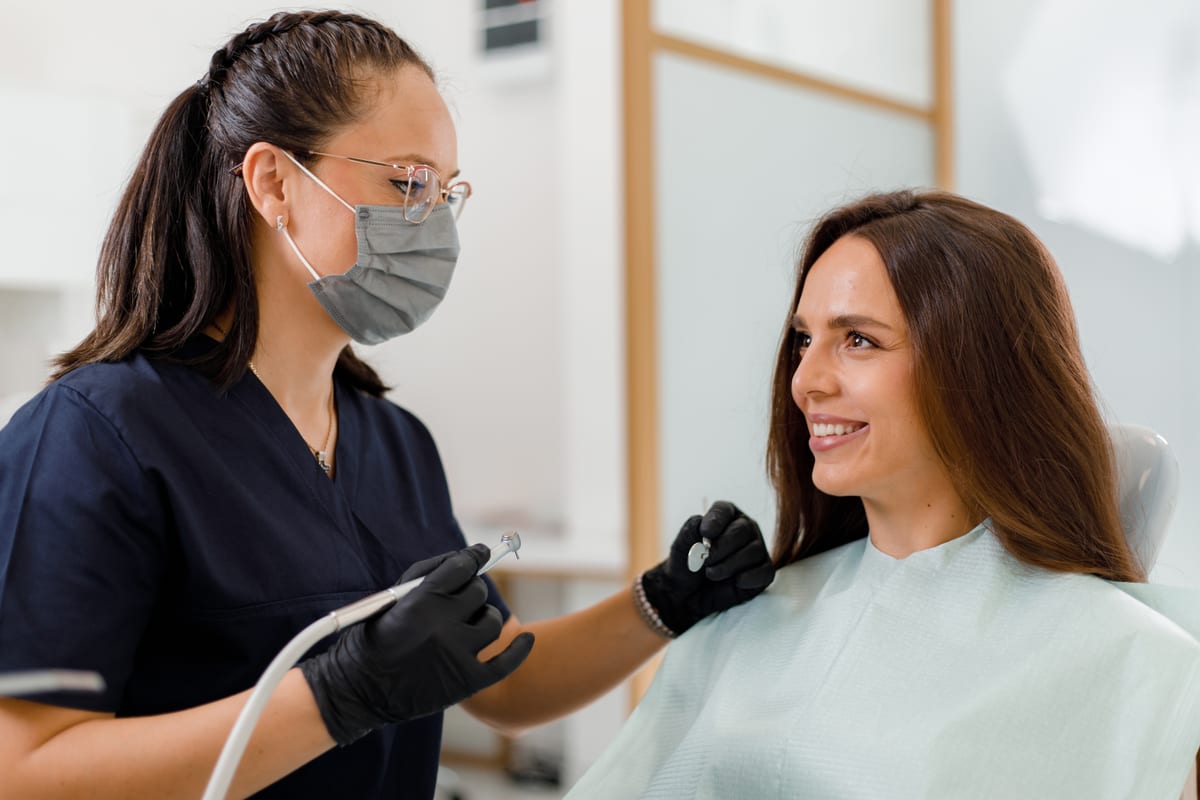
Walking into your appointment, you will notice a tray of instruments. Each one has a specific purpose. Understanding those tools removes the mystery — and the nerves.
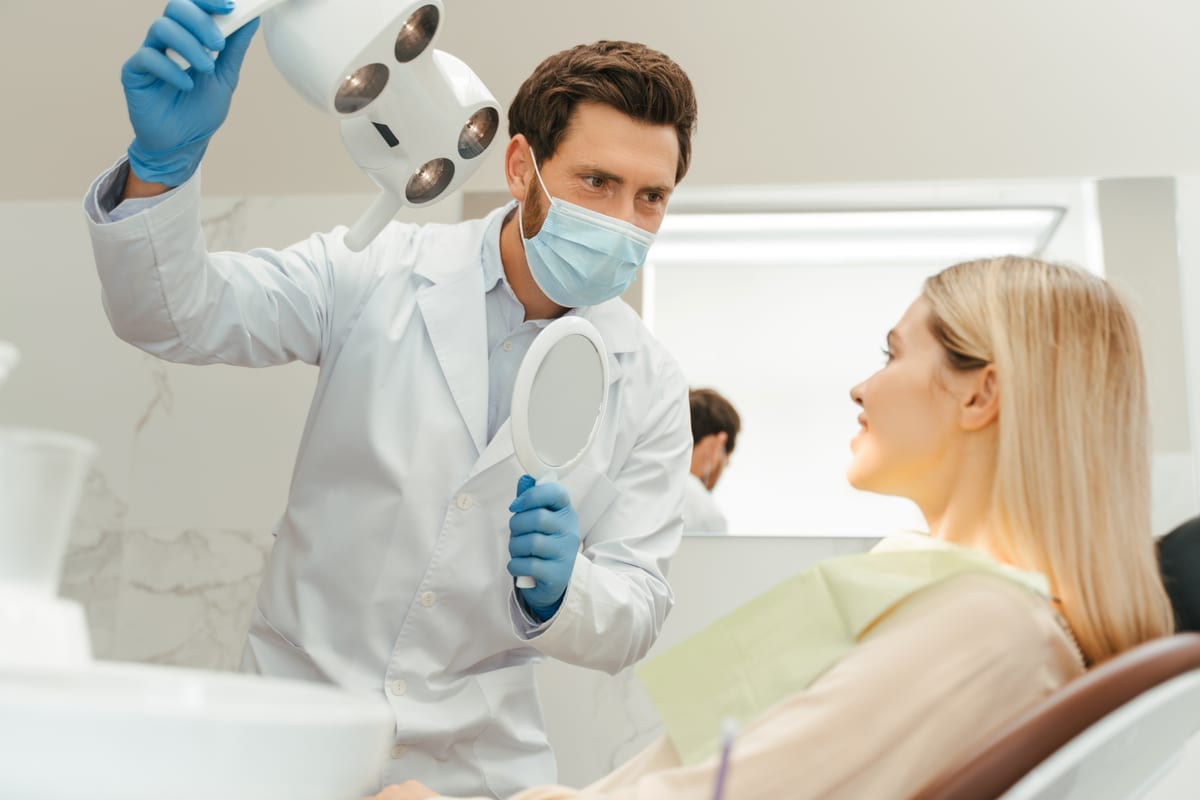
- Dental mirror: A small angled mirror lets the hygienist see all surfaces of your teeth, including hard-to-view areas in the back.
- Scaler: This hand tool chips away hardened tartar from tooth surfaces and just below the gumline.
- Ultrasonic scaler: A vibrating tip with a water spray loosens large tartar deposits quickly and comfortably.
- Polishing cup and prophy paste: A rotating rubber cup with a gritty paste buffs away surface stains and smooths enamel.
- Periodontal probe: A thin, numbered ruler measures the depth of the pockets between your teeth and gums.
- Floss: Professional flossing cleans tight spaces between teeth and checks for hidden plaque.
- Suction tip: Removes water, debris, and saliva so the hygienist can see clearly throughout the visit.
Each tool works together in a specific sequence. The hygienist moves from assessment to removal to polishing. Nothing is random — every motion has a clinical reason.
Every Step of Your Cleaning Appointment Explained
A standard professional cleaning follows a clear, logical order. Knowing the steps ahead of time helps you feel comfortable from start to finish. Here is exactly what happens during your visit at Sunrise Dental.
- Health history review: Your hygienist reviews any updates to your medical history or medications.
- Visual examination: The dental mirror is used to check all tooth surfaces for visible decay, cracks, or gum changes.
- Periodontal probing: Pocket depths are measured and recorded around each tooth. Healthy pockets measure 1–3 mm.
- Tartar and plaque removal (scaling): The hygienist uses both hand scalers and the ultrasonic tool to remove all deposits.
- Polishing: The prophy cup and paste smooth enamel and remove surface staining.
- Flossing: Professional flossing removes any remaining debris and checks interproximal areas.
- Fluoride treatment (if recommended): A fluoride varnish or gel may be applied to strengthen enamel.
- Doctor exam: Dr. Shao reviews findings, checks X-rays if taken, and discusses any concerns with you.
The entire appointment typically takes 45 to 60 minutes. More buildup or deeper pockets may require additional time. Your hygienist will always communicate what they find along the way.
What Your Hygienist Is Looking for During the Exam
Cleanings are about more than removing tartar. Your hygienist performs a careful clinical assessment at every visit. They are trained to notice subtle changes that patients often miss entirely.
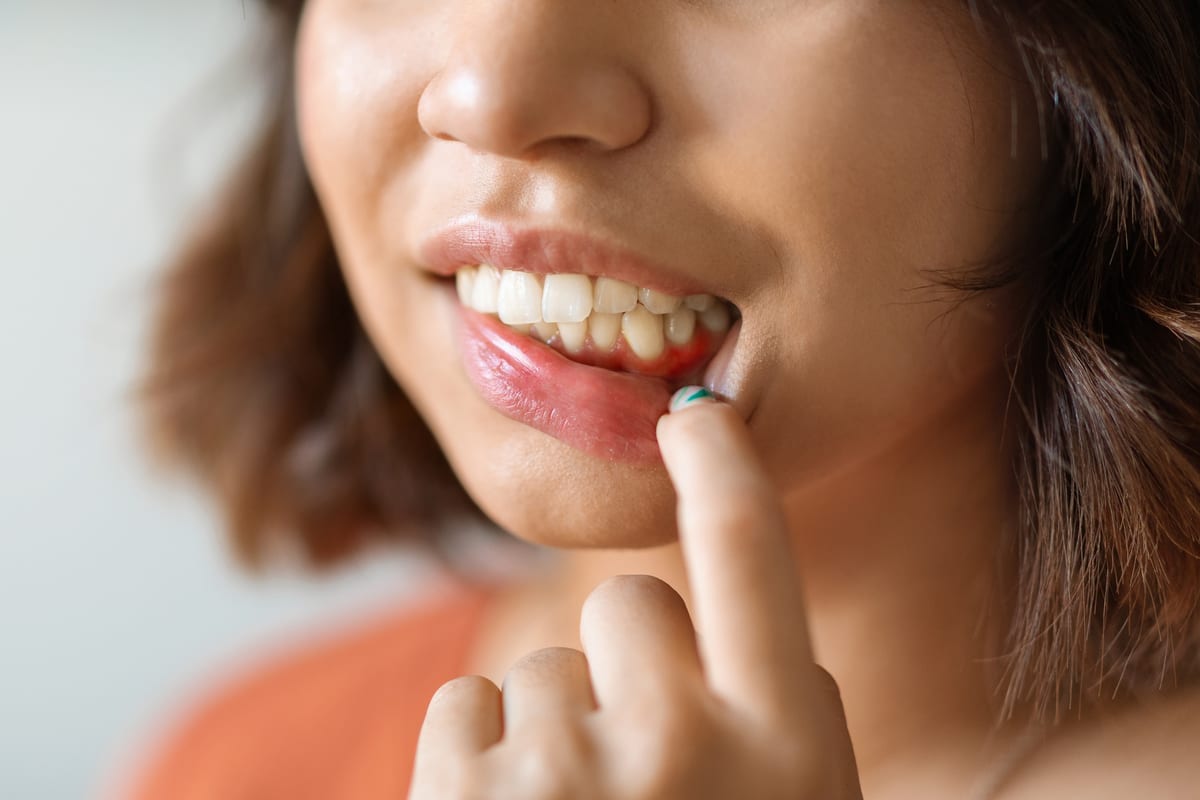
During probing, they watch for bleeding on contact. Bleeding is an early warning sign of gum inflammation. Pockets deeper than 4 mm may indicate the start of periodontal disease. Catching this early means treatment stays straightforward and effective.
The hygienist also notes tooth sensitivity and visible recession. They look for signs of grinding, acid erosion, and cracked enamel. Any findings are shared with Dr. Shao before your doctor exam begins. This team-based approach ensures nothing slips through the cracks.
For families with younger children, it is worth noting that Pediatric Dentistry follows the same careful, step-by-step examination process tailored to young smiles. Starting dental visits early builds lifelong healthy habits. Dr. Shao welcomes patients of all ages at Sunrise Dental.
After Your Cleaning: What to Know and What to Expect
Most patients leave a cleaning feeling refreshed and smooth-toothed. Some experience mild sensitivity in the hours after scaling. This is completely normal and fades quickly on its own.
Your hygienist will review personalized home care tips before you leave. They may recommend a specific toothbrush, flossing technique, or rinse based on what they observed. These suggestions are not generic — they are tailored to your exact oral health needs.
If deeper issues were noted, Dr. Shao may recommend gum disease treatment or periodontal care at a follow-up visit. Addressing these early prevents more extensive procedures later. The goal is always to keep your treatment as simple as possible.
Dental discomfort between visits is worth addressing promptly. If you experience sudden pain, swelling, or a broken tooth before your next scheduled appointment, Emergency Dentistry services are available to help you get relief fast. Do not wait and hope the problem resolves on its own.
Your Smile Deserves This Kind of Attention
Every cleaning at Sunrise Dental is more than a routine visit. It is a detailed assessment, a careful treatment, and a conversation about your health. Dr. Steven Shao and his team are committed to making each appointment clear, comfortable, and worthwhile for every Midway City patient.
Whether you are coming in for your first cleaning in years or keeping up with your regular schedule, you deserve to understand what is happening in your mouth. Knowledge builds trust. Trust builds long-term health. We are here to guide you through every step — literally.
Your healthy smile starts with one simple appointment. Book Now to schedule your appointment with our team.
Frequently Asked Questions
How long does a professional teeth cleaning take?
A standard cleaning appointment typically takes between 45 and 60 minutes. If significant tartar buildup is present or periodontal measurements require extra attention, the visit may take a bit longer. Your hygienist will let you know what to expect at the start of your appointment.
Does teeth cleaning hurt?
Most patients experience little to no discomfort during a professional cleaning. Some sensitivity is normal, especially around the gumline. If you feel discomfort at any point, let your hygienist know — they can adjust their technique or offer comfort options.
How often should I get a professional cleaning?
Most adults benefit from a cleaning every six months. However, patients with gum disease or a history of heavy buildup may need visits every three to four months. Dr. Shao will recommend the schedule that best fits your individual oral health needs.
What is the difference between a regular cleaning and a deep cleaning?
A regular cleaning addresses the surfaces of your teeth and shallow areas just below the gumline. A deep cleaning, also called scaling and root planing, goes further below the gumline to treat active gum disease. Your hygienist uses periodontal probing measurements to determine which type of cleaning you need.
Can a professional cleaning remove all my stains?
Professional polishing removes many surface stains caused by coffee, tea, and food. However, deep or intrinsic stains embedded within the tooth enamel may not respond to cleaning alone. Cosmetic options like dental bonding or veneers can address stubborn discoloration if polishing is not enough.