Your First-Time Guide to Periodontal Care in Huntington Beach
If you’ve been told you need periodontal care, you might feel anxious or uncertain about what comes next. Many first-time patients wonder what the procedure involves and whether it will be uncomfortable. At Sunrise Dental, Dr. Steven Shao understands these concerns and wants to help you feel prepared and confident about your periodontal care in Huntington Beach.
This guide walks you through everything you need to know as a first-time patient. You’ll learn what periodontal disease is, what happens during treatment, and how to prepare for your visit. By the end, you’ll have a clear picture of the entire process.
Understanding Periodontal Disease: What Does It Mean?
Periodontal disease is an infection of the tissues that support your teeth. It starts with bacteria in dental plaque, the sticky film that forms on teeth throughout the day. When plaque isn’t removed through brushing and flossing, it hardens into tartar and causes inflammation.
The earliest stage is called gingivitis. Your gums may appear red, swollen, or bleed when you brush. At this stage, the condition is reversible with professional cleaning and improved home care. If left untreated, gingivitis can progress to periodontitis.
Periodontitis is more serious. The infection spreads below the gum line, creating pockets between teeth and gums. These pockets harbor bacteria and can lead to bone loss. Eventually, teeth may become loose or fall out if the disease isn’t treated.
Many people don’t realize they have periodontal disease because early symptoms are subtle. Regular dental checkups help catch problems before they become severe. If Dr. Shao has recommended periodontal care, addressing it now prevents more extensive treatment later.
What to Expect During Your First Periodontal Care Visit
Your first visit focuses on assessment and planning. Dr. Shao will perform a comprehensive examination of your gums, teeth, and bone structure. This isn’t painful, though you may feel slight pressure during certain parts of the exam.
The exam includes several key steps:
- Probing depth measurements around each tooth to assess pocket formation
- X-rays to evaluate bone levels and detect hidden problems
- Visual inspection of gum tissue color, texture, and bleeding
- Review of your medical history and any medications you take
- Discussion of symptoms you’ve noticed, like bleeding or loose teeth
After the examination, Dr. Shao will explain his findings in clear terms. He’ll show you where problems exist and discuss treatment options. You’ll have plenty of time to ask questions and understand your choices.
Treatment may begin the same day or be scheduled for a future appointment. The approach depends on the severity of your condition. Many patients appreciate seeing all available treatment options before making decisions about their care.
Common Periodontal Treatments Explained in Simple Terms
The most common first treatment is called scaling and root planing. This is often referred to as a deep cleaning. It removes tartar and bacteria from below the gum line where regular cleaning can’t reach.
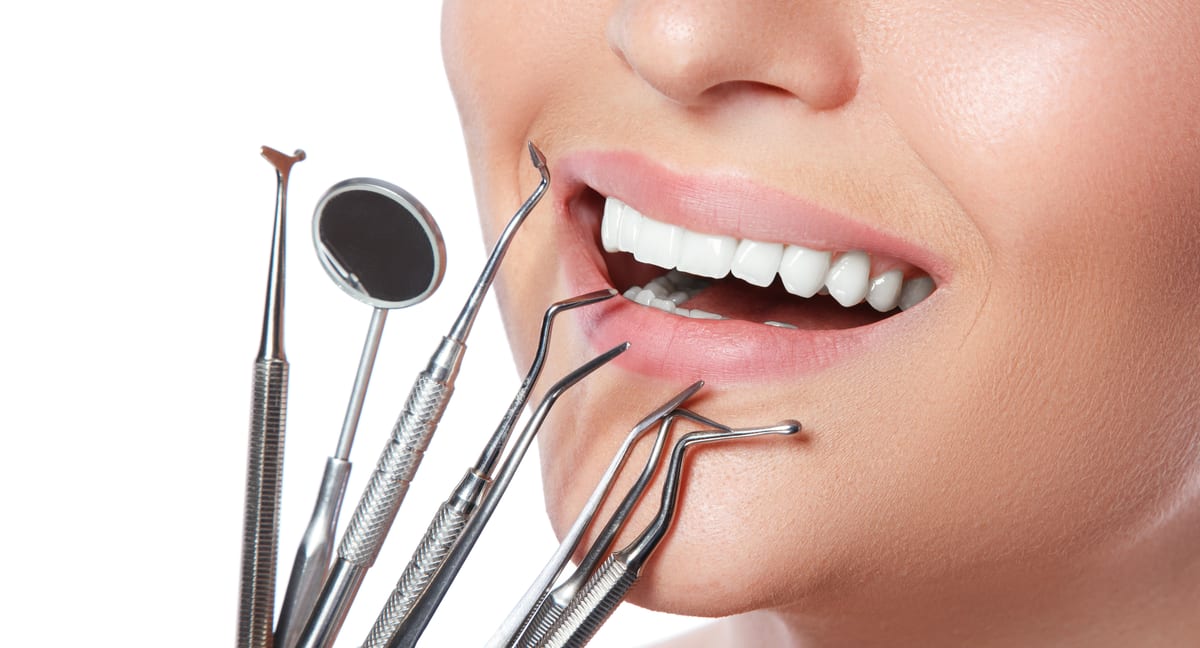
During scaling, Dr. Shao uses special instruments to carefully remove deposits from tooth surfaces. Root planing smooths the tooth roots, helping gums reattach and heal. The procedure is typically done with local anesthesia so you remain comfortable throughout.
The treatment may be completed in one visit or divided into sections over multiple appointments. This depends on how many areas need attention. Most patients report minimal discomfort during the procedure and describe the experience as similar to a regular cleaning.
After scaling and root planing, some patients need additional care. This might include:
- Antibiotic therapy placed directly into gum pockets
- More frequent cleanings to maintain results
- Surgical procedures for advanced cases
- Laser therapy to remove diseased tissue
Dr. Shao will recommend only what’s necessary for your specific situation. His goal is to restore your gum health with the most conservative approach possible.
Preparing for Your Periodontal Care Appointment
Knowing what to bring and how to prepare helps your appointment go smoothly. Arrive a few minutes early to complete any necessary paperwork. This gives you time to relax before your appointment begins.
Here’s what to bring to your first visit:
- A list of all medications you currently take, including supplements
- Information about any medical conditions or allergies
- Previous dental records or X-rays if you’re a new patient
- A list of questions or concerns you want to discuss
- Comfortable clothing since you’ll be reclined during the exam
Eat a normal meal before your appointment unless you’re told otherwise. If you’ll receive local anesthesia, you might prefer to eat beforehand since your mouth will be numb for a few hours. Brush and floss as usual before arriving.
If you feel nervous, let the team at Sunrise Dental know when you arrive. They can take extra time to explain each step and make sure you’re comfortable. Many Huntington Beach patients find that understanding the process reduces their anxiety significantly.
Life After Treatment: What Changes to Expect
After your periodontal treatment, your gums will begin healing. You might notice some tenderness or sensitivity for a few days. This is normal and typically resolves quickly. Dr. Shao will provide specific aftercare instructions tailored to your treatment.
Most patients can return to normal activities immediately. You may need to eat soft foods for a day or two if you had extensive treatment. Cold foods like smoothies or yogurt can be soothing and are perfect for Huntington Beach’s mild weather as we move into summer.
Your home care routine becomes especially important after treatment. Proper brushing and flossing prevent bacteria from returning. Dr. Shao will demonstrate techniques that effectively clean below the gum line. These simple practices protect your investment in treatment.
Follow-up appointments are essential for long-term success. These visits allow Dr. Shao to monitor healing and catch any problems early. Many patients schedule their maintenance cleanings around seasonal events. With graduation season ending and summer beginning, now is an ideal time for families in Fountain Valley and Westminster to prioritize dental health.
Your gums should appear pinker and firmer as they heal. Bleeding during brushing should decrease or stop completely. These positive changes motivate many patients to maintain their improved oral health habits.
The Benefits of Addressing Periodontal Disease Early
Taking action now prevents serious complications later. Treating periodontal disease in its early stages is less invasive and more successful. You’ll spend less time in the dental chair and experience better outcomes.
Healthy gums support overall health in surprising ways. Research links periodontal disease to heart disease, diabetes, and other systemic conditions. By treating your gums, you’re protecting more than just your smile. You’re investing in your total well-being.
Early treatment also preserves your natural teeth. Once bone loss occurs, it cannot be reversed. Catching problems before permanent damage happens keeps your teeth stable and functional. This means you can continue enjoying all your favorite foods without worry.
Financial considerations matter too. Simple treatments like scaling and root planing cost far less than the advanced procedures needed for severe disease. Addressing problems early saves money over time. It also saves you from the stress of complex dental work.
At Sunrise Dental, we believe education empowers better decisions. Understanding your oral health helps you take an active role in your care. Our team is here to answer questions and support you throughout your treatment journey. Learn more about our practice and how we serve the Huntington Beach community.
Your Next Steps Toward Healthier Gums
Now that you understand what periodontal care involves, you’re ready to take the next step. Don’t let anxiety prevent you from getting the care you need. Thousands of patients in Huntington Beach and surrounding areas like Garden Grove and Midway City have successfully completed periodontal treatment.
Dr. Steven Shao and the team at Sunrise Dental are committed to making your experience comfortable and positive. We take time to explain everything and ensure you feel heard. Your concerns matter to us, and we address each one with care and expertise.
Healthy gums form the foundation of a beautiful smile. They also support your overall health and quality of life. Taking action today prevents more serious problems tomorrow. Your future self will thank you for this important decision.
Ready to start your journey to healthier gums? Book Now to schedule your appointment with our team.
Frequently Asked Questions
Will periodontal treatment hurt?
Most patients experience little to no discomfort during periodontal care. Dr. Shao uses local anesthesia to numb the treatment area, so you won’t feel pain during the procedure. Some tenderness or sensitivity may occur for a few days after treatment, but this is typically mild and manageable with over-the-counter pain relief if needed.
How long does periodontal treatment take?
The duration depends on the extent of your condition. A single session of scaling and root planing may take one to two hours. If treatment is divided into sections, you might need two to four appointments. Dr. Shao will provide a clear timeline during your first visit based on your specific needs.
Can periodontal disease come back after treatment?
Periodontal disease can return if bacteria build up again below the gum line. However, proper home care and regular maintenance cleanings significantly reduce this risk. Most patients who follow their recommended care plan maintain healthy gums long-term. Your commitment to daily brushing, flossing, and professional cleanings is key to lasting success.
How often will I need maintenance cleanings after treatment?
Most patients with a history of periodontal disease need cleanings every three to four months rather than the standard six months. These more frequent visits allow Dr. Shao to remove bacteria before they cause new problems. Your specific schedule depends on how your gums respond to treatment and your individual risk factors.
What happens if I don’t treat my periodontal disease?
Untreated periodontal disease progressively worsens over time. The infection destroys bone and soft tissue that support your teeth, eventually leading to tooth loss. The bacteria can also enter your bloodstream and potentially affect your overall health. Early treatment is always easier, more effective, and less costly than addressing advanced disease.